
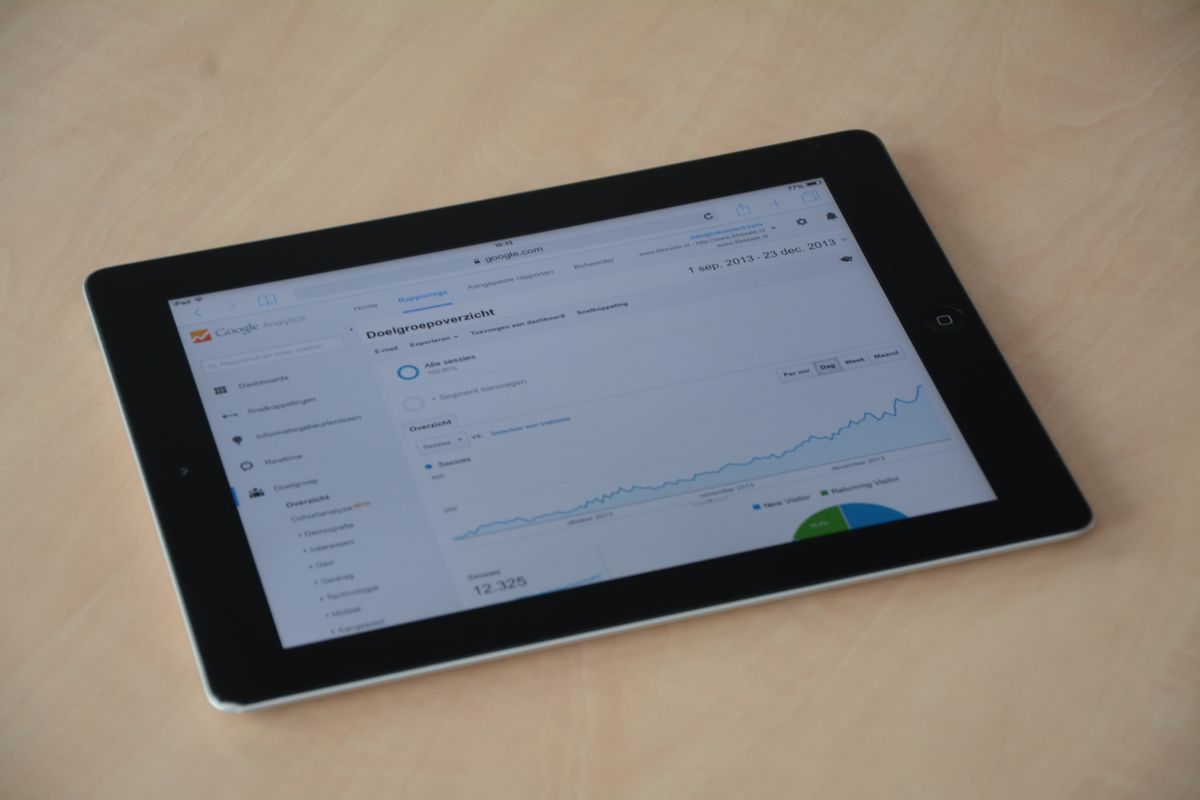
Pages ranking in positions 5–15 are your fastest SEO wins because the ranking risk is already gone: Google has judged the page relevant and the demand is proven. Moving one of these "striking-distance" pages into the top 3 can multiply its clicks several times over — usually with a title rewrite, a missing subtopic, or a few internal links rather than a new page.
The math: why position 5 → 2 changes everything
Click-through rate doesn't decline gently with position — it falls off a cliff. This is the benchmark CTR curve SEOcompass's scoring engine uses (organic, default segment):
| Position | Expected CTR |
|---|---|
| 1 | ~28% |
| 2 | ~15% |
| 3 | ~10% |
| 5 | ~5% |
| 8 | ~2.6% |
| 10 | ~1.9% |
| 15 | ~1.0% |
Read that as leverage: a query with 2,000 monthly searches earns ~100 clicks at position 5 and ~300 at position 2. Same page, same keyword — a 3× difference from moving four spots. Below position 15 the curve flattens, which is why chasing position 40 → 25 rarely moves traffic at all.
Why striking distance beats net-new content
A net-new article is a bet with two unknowns: whether you can rank, and whether anyone clicks. A striking-distance page has already answered both. You're not creating relevance from scratch — you're closing a small, identifiable gap:
- A weaker title than the top 3 — you rank, but under-earn clicks for your position.
- A missing subtopic the top results cover and you don't.
- Thin internal linking — your own site isn't telling Google the page matters.
- A failing technical check (snippet eligibility, schema, heading structure) suppressing how the result renders.
Each of those is hours of work, not weeks — and the payoff window is short. In our experience, striking-distance pushes show movement within one or two Search Console re-crawls, not the 3–6 months a new page needs to mature.
How to find yours in Search Console
- Open Search Console → Performance → add average position to the columns.
- Filter queries to positions 5–15 with meaningful impressions (a few hundred per month minimum).
- For each, check which page ranks — and whether its CTR is below the benchmark for that position (use the table above).
- Prioritize by *(search volume × CTR gap × winnability)*: real demand, a real click gap, and difficulty you can actually beat.
That last step is the hard part to do by hand — volume and difficulty live outside Search Console. This is exactly the loop SEOcompass automates: it pulls your query×page data, enriches it with volume, difficulty, CPC, and intent, scores every opportunity by expected traffic upside × winnability × effort, and surfaces striking-distance pushes first — each with the why and the expected click gain. Then it writes the fix — title, meta, content changes, schema — as a ready-to-ship draft. You can run a free audit to see your own list.
What to change, in priority order
- Title + meta first. Lowest effort, fastest feedback. Match the dominant intent of the top 3, put the keyword early, and make the click case concrete.
- Cover the missing subtopic. Search the query, scan the top 3 H2s, and add the section you're missing — properly, not as keyword filler.
- Add 2–4 internal links from your strongest related pages, with descriptive anchors.
- Fix what suppresses rendering — failed snippet eligibility, missing FAQ/Article schema, broken heading hierarchy.
- Mark it shipped and measure. If you don't track before/after position and CTR, you can't tell wins from noise — and you can't compound what you learn.
Where this fits in a modern strategy
Striking-distance work isn't a hack; it's sequencing. New content still matters for queries you don't rank for at all — but it's slower and riskier, so it should come *after* you've harvested the wins already sitting in your data. One loop: pull your data, push what's close, fill the true gaps, track the lift, repeat.